
Passing the crown
How succession shapes systems
Material Analysis, Leadership, History
Succession is the silent architecture of power. Most systems obsess over how they function today and treat tomorrow as a footnote. They assume continuity will somehow take care of itself. It rarely does. This avoidance is not accidental. Succession is awkward. It forces institutions to confront their own mortality. More importantly, it exposes what they actually value, not what they claim to value.
At heart, succession is a decision about time. It answers whether a system sees itself as eternal or provisional, adaptive or frozen, accountable or insulated. Systems that design clear, repeatable transitions accept an uncomfortable truth: individuals are replaceable. Structures matter more than personalities.
Systems that refuse to do this reveal something else entirely. They believe power is personal. Everything else is branding.
Succession Governs the Present, Not the Future
Incentives don’t wait for transitions
Succession does not merely shape what happens after a leader exits. It reshapes behavior long before anyone leaves.
Leaders who know they will be replaced invest in documentation, delegation, and durability. Leaders who believe they are indispensable optimize for loyalty, visibility, and control. One builds compounding institutions. The other builds moats around themselves.
This is why succession governs the present more than the future. It decides whether a system accumulates strength or quietly rots.
Every system answers the same inheritance question, just in different dialects.
- Monarchies encode bloodlines
- Democracies encode cycles
- Corporations encode boards and shareholders
- Open source projects encode maintainers and commit access
Each chooses its filters.
- Competence
- Legitimacy
- Loyalty
- Ideology
- Proximity
None of these choices are neutral. Each selects for certain behaviors and discourages others.
Succession also determines how a system handles failure. When transitions are unclear, failure becomes existential. Every mistake feels fatal because there is no trusted path forward. The result is predictable: defensiveness, intolerance of criticism, and hostility to reform.
Systems with boring, well-defined succession can afford error. They know leadership can be corrected without burning the house down. Here lies the paradox. The more a system obsesses over preserving itself while neglecting succession, the more brittle it becomes. Stability is mistaken for stasis. Leadership freezes to avoid disruption, only to guarantee a far more violent one later.
History is unambiguous on this point. Unclear succession invites coups, schisms, forks, and revolutions. Not because people crave chaos, but because uncertainty creates a vacuum and ambition hates empty space. Succession also exposes a system’s moral limits. A system that preaches merit but practices inheritance teaches cynicism. One that promises renewal but enforces gatekeeping breeds stagnation.
Over time, people stop believing the stated ideals and start navigating the system strategically instead. The institution survives. Its spirit does not.
Case Study
Rome falls, Japan endures, China regenerates
The Roman Empire
Succession as a recurring vulnerability
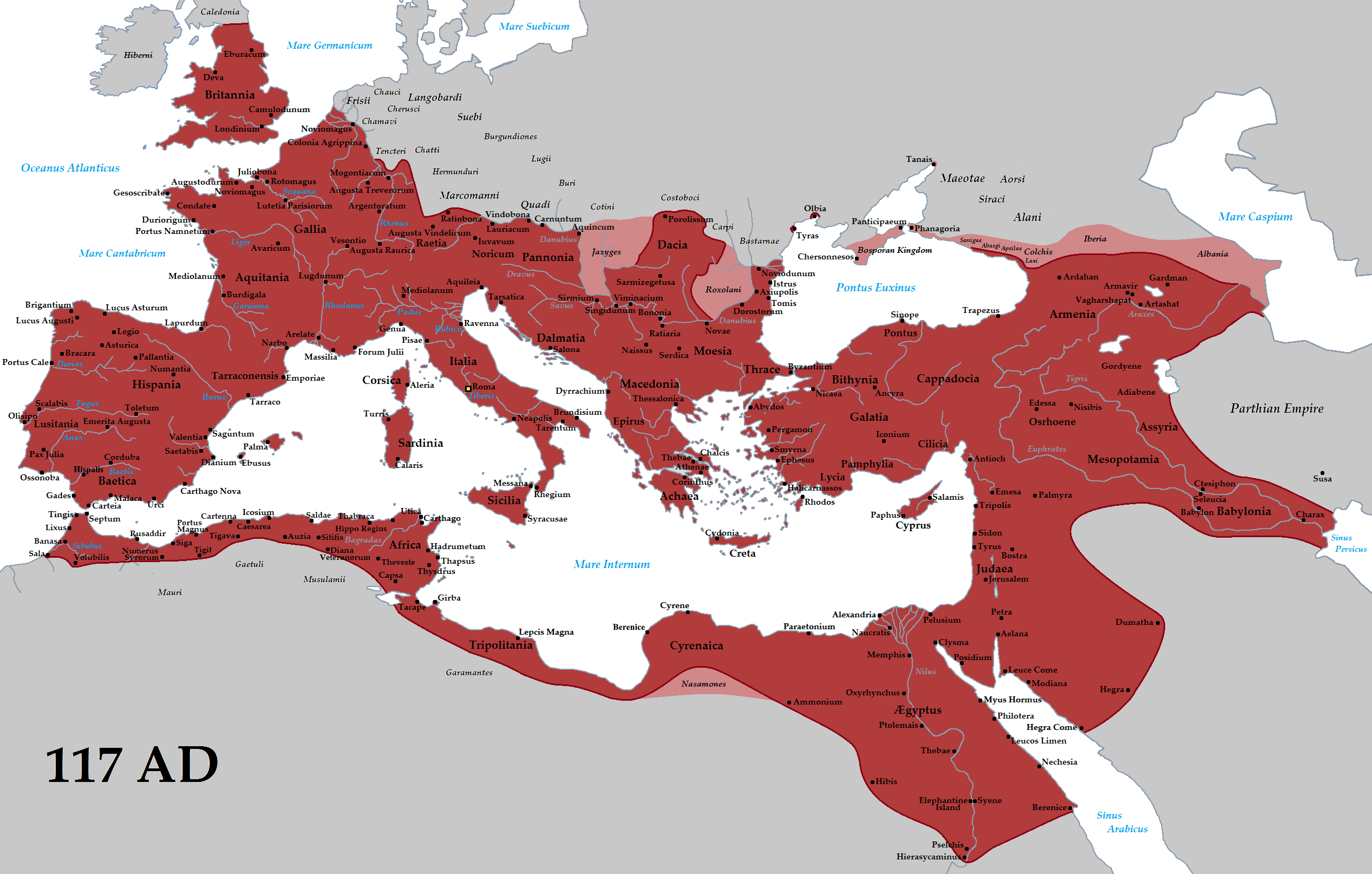
Rome never solved succession. Early emperors relied on adoption, informal designation, or brute military backing. When a competent ruler sat on the throne, the system looked stable. When a weak one did, the absence of rules turned every transition into a high-stakes brawl.
This warped incentives. Emperors purged rivals, bribed armies with short-term rewards, and avoided grooming successors who might become threats. After the Pax Romana, succession crises stopped being exceptions and became the operating rhythm.
Rome did not collapse because Romans forgot how to govern. It collapsed because power became personal while the state grew too large to survive personal rule. The failure was not moral decay or barbarian invasions first. It was the refusal to institutionalize succession.
Japan
Legitimacy without executive power
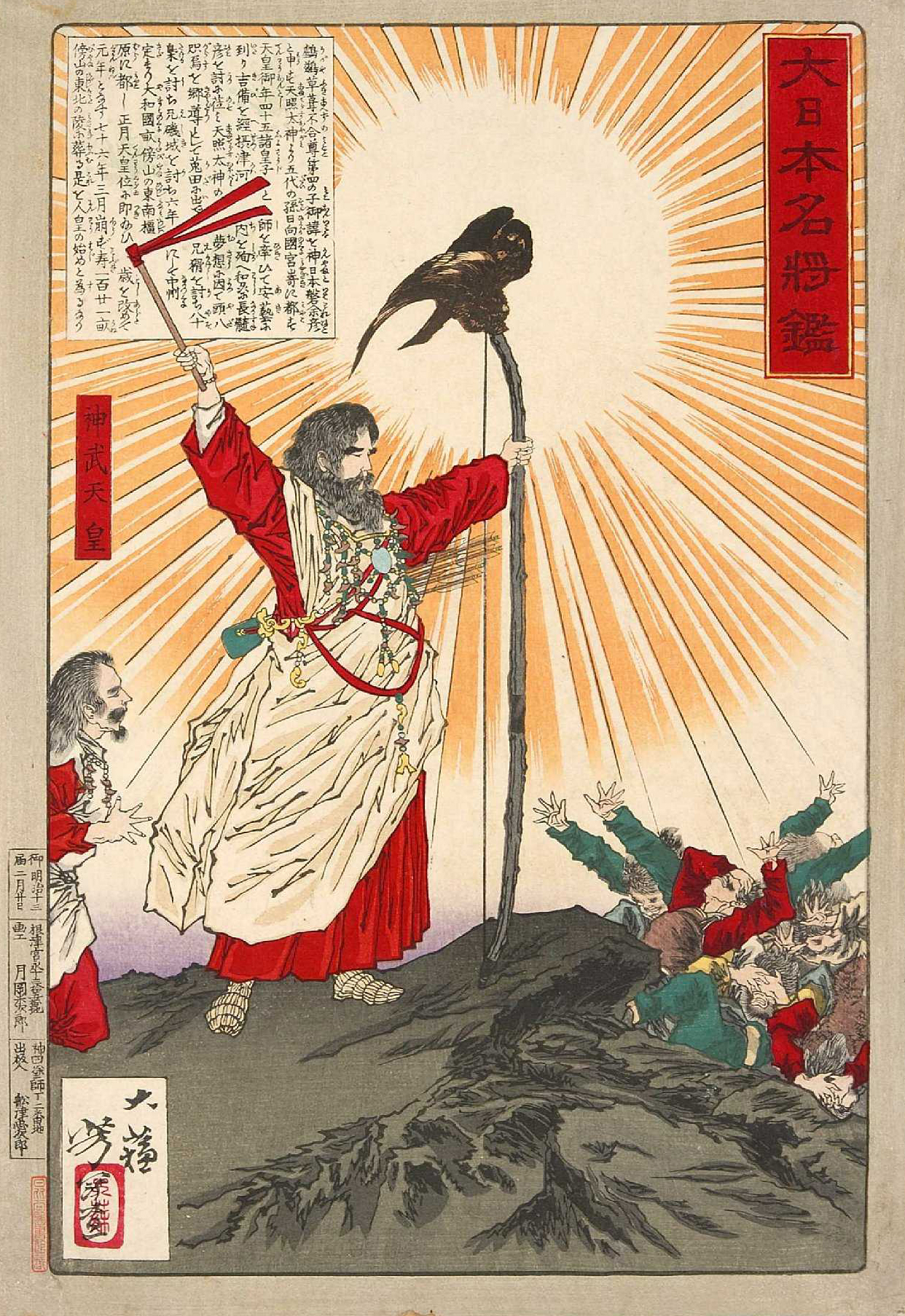
Japan took a different route. It separated legitimacy from execution.
The imperial line was hereditary, continuous, and uncontested. Actual governing power, however, floated. Regents, shoguns, and military governments ruled in practice without threatening the throne itself.
Succession was ritualized and predictable. Political failure did not trigger existential crises. Japan endured not because every ruler was brilliant, but because transitions were never questioned.
When the Meiji Restoration reunited legitimacy and executive power, the symbolic continuity of the emperor acted as ballast during rapid modernization for its colonial advances. Succession provided stability while everything else changed.
Here, succession was not a liability. It was shock absorption.
Imperial China
Collapse as a feature, not a bug
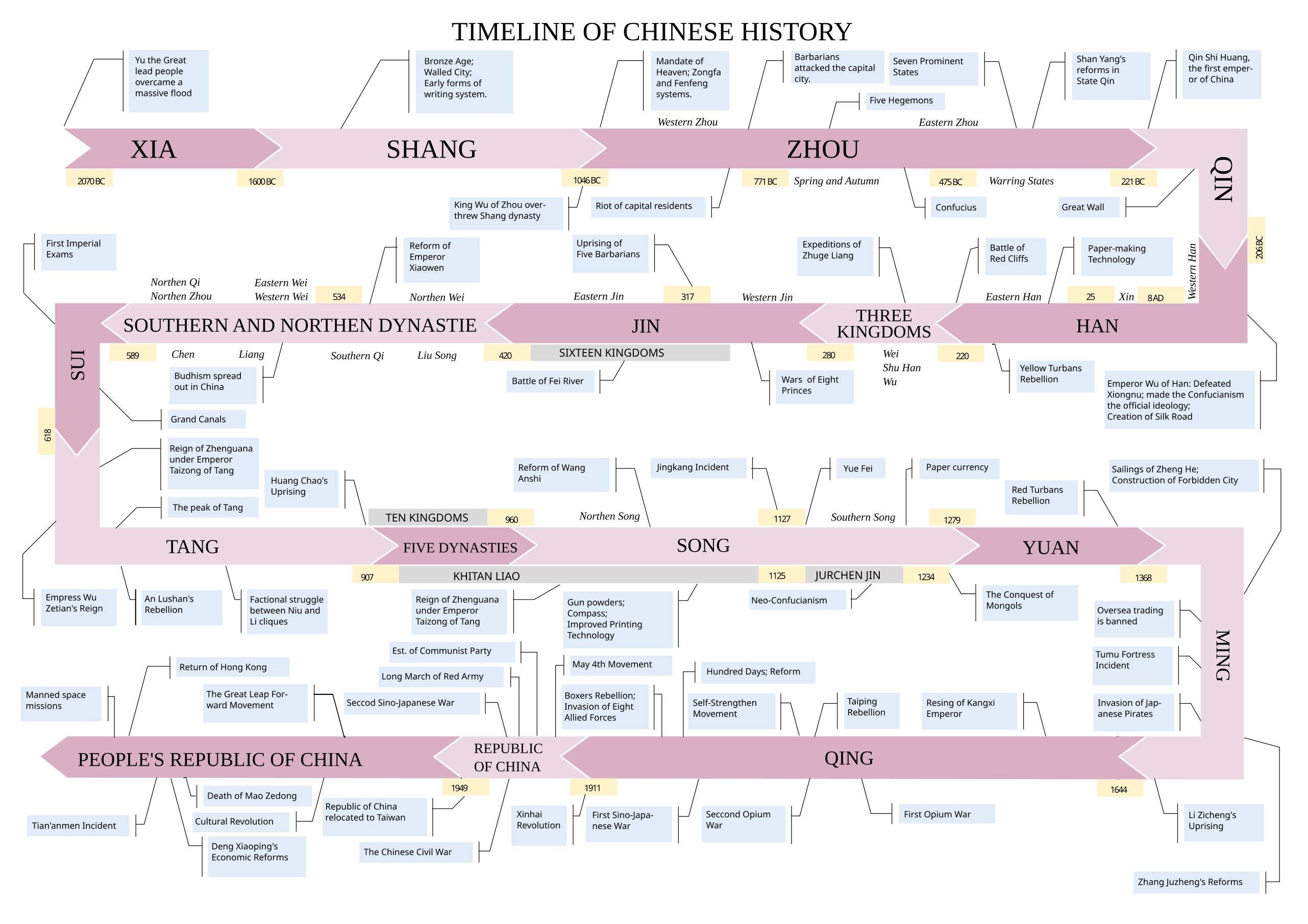
Imperial China unified legitimacy and power in the emperor but surrounded both with bureaucracy. Dynasties rose and fell, yet the administrative state persisted.
Confucian civil service systems preserved institutional memory across regimes. When succession failed, the dynasty collapsed. The system did not.
Collapse functioned as a reset mechanism. A new ruler seized power, legitimized it through ritual, rebuilt the bureaucracy, and governance resumed. This cycle repeated for millennia. Succession crises were frequent, but they rarely threatened the continuity of the state itself.
China did not avoid failure. It absorbed it.
Rome’s Real Mistake
Neither coherence nor redundancy
Rome rejected strict heredity without constructing durable institutions to replace it. Power remained personal, legitimacy remained vague, and bureaucracy remained thin.
It ruled like China without China’s administrative depth. It avoided Japan’s symbolic continuity without inventing an alternative.
Every transition renegotiated authority from scratch. Succession was not a process. It was a gamble.
Rome’s decline was not inevitable. It was predictable. Expansion without endurance is just delayed fragmentation.
A Short Detour
Against the Great Man Theory
Succession debates often degrade into arguments about competence. Was the next ruler smart enough? strong enough? moral enough?
This framing misses the point. It treats history as a talent problem instead of a design problem.
Competent leaders do matter. They are not a strategy.
Systems that rely on finding the right person at the right time are fragile by definition. They turn governance into a lottery and excuse institutional laziness.
The real test is not whether successors were exceptional. It is whether the system could survive mediocrity without imploding.
How ideas change with succession
Institutions evolving through transitions
In the beginning of a system, ideas and values are often tightly coupled to founders. As the system matures, succession mechanisms determine how those ideas evolve. Systems with clear succession can afford to let ideas drift, adapt, or even be discarded over time. Systems without clear succession often ossify around founding principles, as any deviation threatens legitimacy.
For instance, the United Kingdom was founded on constitutional monarchy and parliamentary democracy. Over centuries, its succession mechanisms allowed it to adapt to changing social norms, leading to the gradual expansion of suffrage and the development of a welfare state. The monarchy's symbolic role evolved, while the core democratic principles remained intact. The country that once was built on the ideas of a Heaven's Mandate, now thrives on the will of the people. From King Arthur's divine right to King Charles III's symbolic role, succession has enabled the UK to reinterpret its founding ideals in a modern context.
In contrast, the French Revolution's initial ideals of liberty, equality, and fraternity were challenged by successive regimes that struggled with legitimacy. The lack of a stable succession mechanism led to oscillations between republics, empires, and monarchies, each interpreting the founding ideals differently. This instability often resulted in abrupt shifts in policy and governance style, demonstrating how unclear succession can lead to ideological volatility.
The mode of succession flipped around the core ideas of these systems. Clear succession allowed for evolution and reinterpretation, while unclear succession led to rigidity and upheaval. Smoother transitions facilitated the natural evolution of ideas, while turbulent ones often resulted in abrupt changes or reversals at the cost of human suffering.
Conclusion
Succession is not a detail. It is the system.
Succession is where institutions stop performing and start telling the truth. Not in constitutions or speeches, but in how they decide who comes next and how much damage that transition is allowed to cause.
Enduring systems assume average people, conflicting incentives, and periodic failure. They design around those facts instead of pretending they can outgrow them.
They make succession boring. Procedural. Slightly disappointing.
Great men make good stories. Succession makes history.