The Core of a Star Is Empty
The pursuit of happiness.
Philosophy, Psychology, Self-Improvement
There is a moment after success that no one prepares you for. Not celebration. Not relief. Silence.
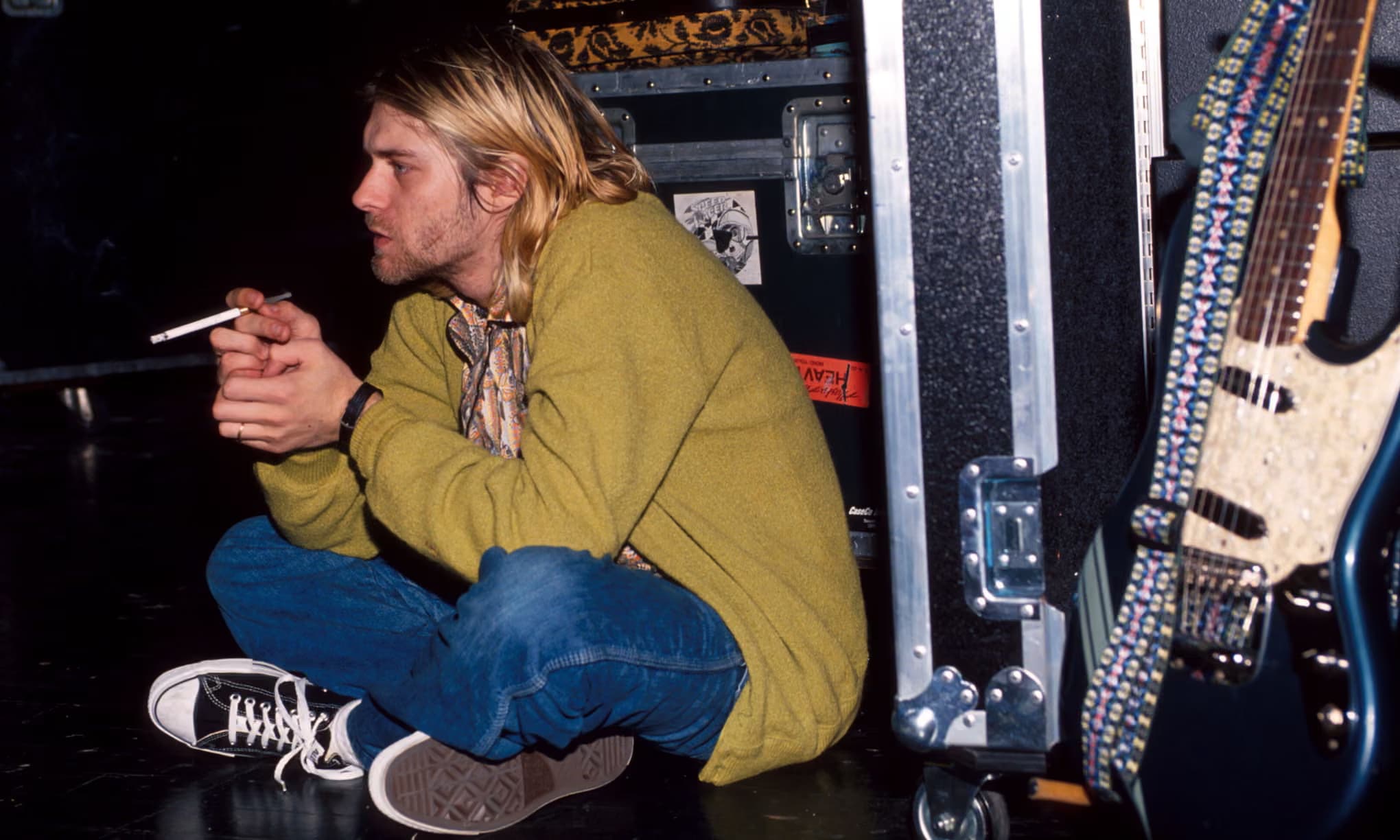
Kurt Cobain is an obvious example. Nirvana reached a level of cultural dominance that few artists ever experience. The dream, at least externally, was realised. Yet the recognition did not resolve his internal conflict. Fame intensified his discomfort with identity, expectation, and authenticity. The success did not align with the self that had formed in pursuit of it.
Many people have described a sense of void after their success. This emptiness leads to a misery of the soul. All your life was focused on one dream, but reaching it made you feel hollow.
There is a sort of comfort in working towards something. Aiming and working towards a goal seems more romantic to the mind than mundane reality. We see the archetype often in the media. There is always a story to tell about a young man working hard for his dream, and the most we see of his success is the answer to why he started the journey. “Why he did it?” takes precedence over “What does he do next?”
Although not common, this reality is explored exclusively with a melancholic tone. A sense of sadness and regret takes over the glitter of a new-found life. This is not lazy writing or an attempt to claim moral high ground. It mirrors reality. We have seen people going all in for their “one true purpose”, but life does not stop when the goal is reached. Life goes on.
This reality strikes hard. No amount of “What’s next?” can prepare a person for the aftermath. There has to be a way to explore this emptiness without becoming trapped in the romanticised struggle or the hollow glamour of success without substance.
Every person who has reached their “one true purpose” has ultimately tried to distance themselves from the process. The decisions they made and the sacrifices they endured stand clearer in their mind than the success they now live in. Their new life is simply another ordinary day. The choices made, and the choices left behind feel like an entire life they now have to reconcile with.
A new life they must strive for. A missed portion of existence they somehow have to reclaim. The life they gained now feels bland, absorbed into routine.
The old life feels more comforting. The mind wants to revise the chosen path, even if it comes at the cost of the present.
A person changes when life changes them. The self that once chased the dream is not the same self that eventually attains it. In the process of striving, enduring, sacrificing and adapting, something fundamental shifts. By the time the goal is reached, the pursuit has already reshaped the dreamer. The reality they step into is new, but so are they.
The difficulty lies here: the dream was built by a former version of the self. When it is finally realised, the current self no longer relates to it with the same intensity. The obsession fades, not because the dream was false, but because the person who once needed it has evolved. What once felt urgent now feels ordinary.
Cobain's struggle reflects this divide. The person who wrote songs in obscurity was not the same person placed under relentless visibility. The industry rewarded him, but the reward required inhabiting a version of himself that felt increasingly distant. The dream had evolved. So had he.
Change is most visible when life appears still. Only in the quiet after achievement does one recognise how much has been altered. Yet change feels comfortable only when it requires no further sacrifice, when it does not threaten what has already been secured. At the top, however, stability and growth often stand in opposition. To preserve what has been gained may mean stagnation. To continue evolving may mean letting go again.
This tension is the true dilemma of reaching the top.
Everyone who reaches the top has let go of something intimate, something personal. Some things cannot be reclaimed with the fruits of struggle. The mind downplays its own hardship in search of an imagined life where no sacrifices were required. The problem feels poetic and beautiful in abstraction, but in flesh and bone it is not.
It is awful.
It is awful to yourself.
It is awful to those around you.
It is awful to every decision that built the success you now inhabit.
There is no easy escape from this reality. The decisions you make are what you will live with and what you will judge yourself by. Results are abstract. Decisions are real. You can justify or resent your decisions, but you cannot do the same with outcomes, because outcomes are interpretations layered over action.
Once a person recognises this inherent dilemma, dreams begin to look shallower, less grand. But dreams are not pursued for their grandeur. They are pursued for the everyday movement towards them. The process matters more than the proclamation. Saying you won a billion-dollar lottery means nothing compared to earning a million through building something of your own. We realise that the process is more important to us than the result.
And yet, this is not an argument to abandon dreaming. It is an argument to dream differently.
Dreams are not destinations. They are instruments.
They give direction to otherwise drifting time. Dreams shape discipline, character, resilience, and identity long before they yield outcomes. A fulfilled dream dissolves into normality, but the person built in pursuit of it remains.
To abandon dreaming because of the emptiness that follows achievement is to misinterpret the function of a dream. A dream is not a vessel designed to hold your fulfilment. It is not a final answer to the question of who you are. It is a direction. It becomes a force that compels movement. Its value does not lie in its ability to complete you, but in its capacity to draw you forward into effort, uncertainty, and growth.
No external accomplishment has the structural integrity to sustain a human life indefinitely. Completion is momentary. Satisfaction stabilises and then dissolves into normality. What endures is not the applause, nor the title, nor the milestone. What endures is the reshaped character formed in pursuit of it. The identity formed by the journey remains.
The summit is finite. The climb is formative.
To pursue a dream purely for the outcome is to reduce it to a transaction: sacrifice in exchange for reward. But striving is not transactional. It is developmental. In working towards something demanding, you construct capacities that remain long after the initial objective loses its shine. You become more capable of enduring difficulty, of committing to long horizons, of tolerating ambiguity. These are not by-products. They are the true returns.
Success does not guarantee meaning. Meaning emerges from sustained engagement. From effort chosen repeatedly. From progress that is earned rather than granted. A lottery win may alter circumstances overnight, but it does not alter the architecture of the self. Building something slowly does.
Outcomes will eventually integrate into routine. What once felt extraordinary becomes part of the everyday. This is not a failure of the dream. It is the nature of adaptation. The human mind normalises achievement. But the process of striving imprints itself more deeply. It becomes part of your habits, your standards, your expectations of yourself.
The dream was never meant to be a permanent source of fulfilment. It was meant to be a catalyst.
So pursue your dreams with clarity. Not because they will finalise your identity, but because they will refine it. Not because arrival will secure lasting satisfaction, but because movement will prevent stagnation. The outcome may fade into memory. The person shaped in pursuit will remain.
Cobain's story is often framed purely as tragedy. It is also a stark reminder that achievement does not stabilise identity. External validation cannot reconcile internal fragmentation. Success can magnify unresolved tension rather than resolve it.
Dreams are remembered more vividly than they are lived. What endures is not the moment of arrival, but the reshaping that occurred on the way there.